Mollica Projects delivers structural framing solutions that enhance building safety with strong materials and compliant Australian construction standards.
Material strength is essential for keeping a building safe, stable, and fit for purpose over time. While meeting the National Construction Code is important, true safety depends on more than minimum compliance. In both residential and commercial construction, structural framing supports loads and resists environmental forces, making proper material selection, design, and installation critical to reducing the risk of failure and costly repairs.
What Structural Framing Means for Building Safety
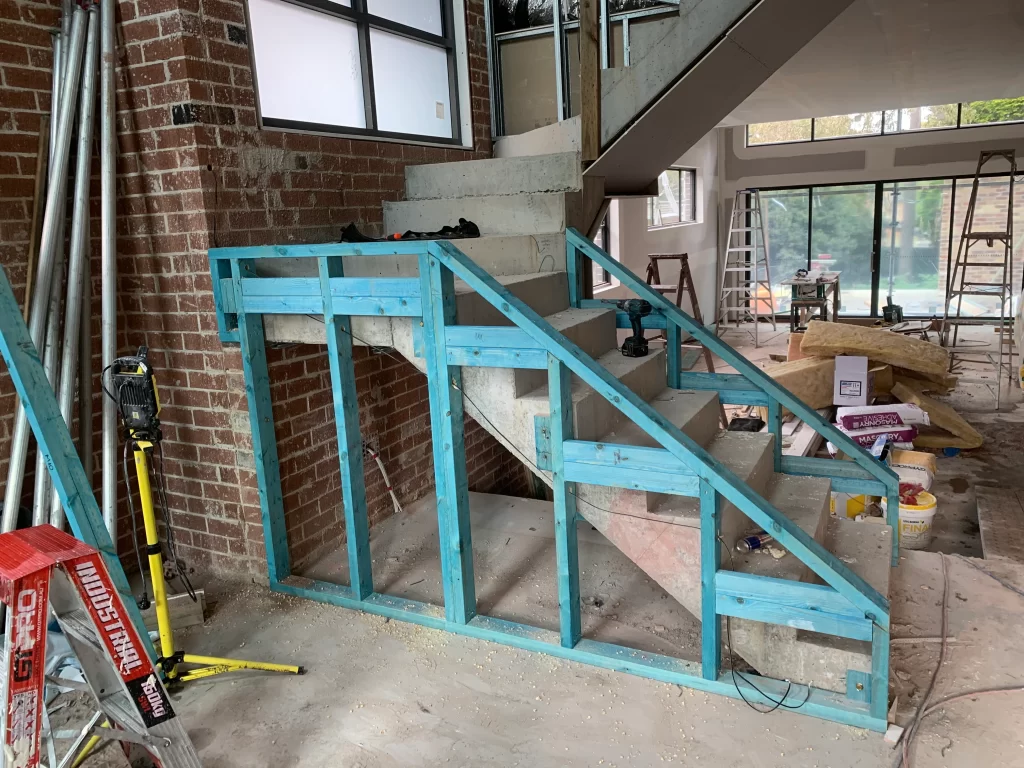
Structural framing is the system of beams, studs, columns, and supports that carry and distribute loads throughout a building. It forms a continuous load path, transferring forces from the roof down to the foundation. In Australia, structures must be designed to withstand conditions such as strong winds, heavy rainfall, and soil movement.
The performance of a framing system depends on how effectively it manages these forces. A well-designed frame improves stability, limits movement, and helps protect occupants from potential risks. Poor design or installation can result in issues like cracking, sagging, or structural failure, which is why proper design, material selection, and compliance with Australian Standards are essential.
Comparing Material Strength: Timber vs Steel vs Concrete
There is no single “strongest” material for every situation. The key is selecting a material that suits the design loads, environmental conditions, and intended use of the building.
- Timber – is lightweight, easy to work with, and offers natural flexibility that can help absorb movement. Its strength depends on proper grading, and it requires protection against termites and moisture for long-term performance.
- Steel – provides a high strength-to-weight ratio with consistent and predictable performance. It is resistant to pests and non-combustible but requires proper corrosion protection, especially in coastal environments.
- Concrete – offers excellent compressive strength, durability, and strong fire resistance. However, it relies on correct reinforcement and proper curing to achieve optimal structural performance.
Why Connections, Bracing and Compliance Matter More Than Raw Strength
Even strong materials can fail if the overall system is poorly designed, often due to weak connections or inadequate bracing. Proper fixings, bracing, and compliance with Australian Standards are essential for safe performance.
Key considerations include:
- Proper tie-down systems to resist wind uplift
- Adequate bracing to prevent racking and movement
- Correct installation of connectors, bolts, and fasteners
- Compliance with standards such as AS 1684, AS 4100, and AS 3600
Long-Term Durability and Environmental Factors in Australia
Building safety depends on both initial strength and long-term durability, with the right materials and protection ensuring performance in harsh Australian conditions.
Each material responds differently to environmental factors:
- Timber – is vulnerable to termites and decay without proper treatment and requires good ventilation and moisture control.
- Steel – is susceptible to corrosion if not properly protected and requires careful detailing in coastal or high-humidity areas.
- Concrete – can crack if poorly constructed or exposed to harsh conditions, and its reinforcement must be protected to prevent deterioration.
Build with Confidence Through Mollica Projects
At Mollica Projects, we understand that effective structural framing is essential to every safe and successful build. Our team selects the right materials, uses proven construction methods, and ensures full compliance with Australian Standards. We focus on quality, durability, and precision to deliver long-lasting results for both new builds and upgrades.
Contact us today to discuss your project and ensure your structural framing is built for strength, safety, and long-term performance.